
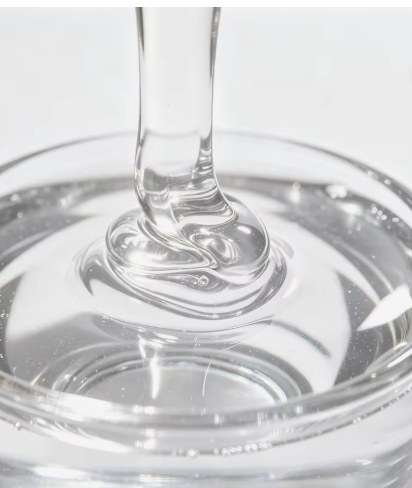
Gluconic Acid Manufacturer for Food, Feed and Industrial Applications
Gluconic acid (CAS 526-95-4) is an organic acid produced by oxidation of glucose. Commercial material is commonly supplied as an aqueous solution containing gluconic acid in equilibrium with glucono-delta-lactone. Its acidity and metal-ion complexing behaviour support selected food-processing, FAMI-QS feed-grade, cleaning, metal-treatment, construction-chemical, and gluconate-synthesis applications.
WIS Biotech manufactures 50% gluconic acid solution in Shandong, China for food, feed, and industrial buyers. Commercial qualification should be based on the intended use, destination market, concentration, impurity limits, packaging, handling requirements, and batch-specific documentation. Current specifications, SDS, recent batch COA, applicable certificates, samples, and destination-based quotations are available on request.
Gluconic Acid Applications
Food Processing and pH Adjustment
Food-grade gluconic acid can be evaluated as an acidity regulator or processing ingredient where permitted. The final manufacturer must confirm the relevant food category, technological purpose, conditions of use, purity criteria, and labelling rules in the destination market. Performance should be verified in the finished formula because buffering capacity, mineral content, temperature, and other acids affect the pH response.
Construction Chemicals and Concrete Admixtures
Industrial-grade gluconic acid is used by some admixture formulators as a set-control ingredient and as a raw material for sodium gluconate production. For ready-to-use retarder grades, see sodium gluconate concrete retarder. Concrete performance depends on cement chemistry, temperature, water-to-cement ratio, other admixtures, dosage, and mixing sequence. Buyers should approve the agreed specification and confirm dosage through laboratory and plant trials.
Industrial Cleaning and Metal Treatment
Gluconic acid can be evaluated in formulated cleaning, descaling, and metal-treatment systems where its acidity and complexing behaviour are useful. Material compatibility, concentration, temperature, exposure time, rinsing, wastewater requirements, and worker-safety controls must be validated for the specific process. The current SDS should be reviewed before handling or transport.
Gluconate Salt Synthesis
Gluconic acid is a precursor for sodium, calcium, zinc, ferrous, magnesium, potassium, and copper gluconates. Buyers using it for mineral-salt production should specify concentration, reducing matter, iron, chloride, sulphate, heavy-metal limits, packaging, and the required document set.
Gluconic Acid Supplier: Procurement Checklist
- Define the use: state the application, destination market, grade, concentration, and critical impurity limits.
- Approve the specification: compare gluconic acid content, appearance, iron, reducing matter, chloride, sulphate, and heavy-metal limits with a recent batch COA.
- Select packaging: confirm drum, IBC, or ISO-tank requirements, unloading constraints, order volume, and annual demand.
- Confirm logistics: provide destination, requested delivery date, Incoterm, and any carrier or import-document requirements.
Gluconic Acid Market and Price Drivers
A comparable gluconic acid quotation must use the same grade, active concentration, impurity specification, packaging, volume, and delivery basis. Glucose feedstock, utilities, packaging, ocean freight, and the selected Incoterm can materially change the delivered price. For industry trends and price drivers, use the gluconic acid market guide. For a 50% solution purchase, use the specification and packaging checklist below and request a destination-based quote.
Product Specifications
The values below describe the current general 50% solution specification shown on this page. They are not a declaration of conformity to every national or application-specific standard. The mutually approved specification and batch COA govern each order.
| Parameter | Specification (50% Solution) |
|---|---|
| CAS Number | 526-95-4 |
| Molecular Formula | C6H12O7 |
| Molecular Weight | 196.16 g/mol |
| Gluconic Acid Content | 49.0% – 51.0% |
| Appearance | Colourless to pale-yellow clear liquid |
| Density (20C) | Approximately 1.24 g/mL |
| pH (undiluted solution) | Approximately 3.5 4.5 |
| Iron (Fe) | 10 ppm max |
| Heavy Metals (as Pb) | 20 ppm max |
| Arsenic (As) | 3 ppm max |
| Lead (Pb) | 2 ppm max |
| Reducing Sugars | 2.0% max (as glucose) |
| Chloride | 0.005% max |
| Sulphate | 0.05% max |
| Available Grades | Food, Feed and Industrial, subject to agreed specification |
Packaging and Supply
Gluconic acid 50% solution is available in HDPE drums, IBC totes, and ISO tanks for approved bulk orders. Actual net weight, container compatibility, loading quantity, and handling instructions are confirmed in the quotation and current SDS. Store in sealed compatible containers under the conditions stated in the product documentation.
Commercial MOQ: 500 kg. Qualification samples may be discussed subject to approval, courier restrictions and stock. Lead time is confirmed for the specified grade, packaging, destination and order volume in the quotation.
Quality and Documentation
Request the current specification, SDS and a recent batch COA for the selected grade; shipping and origin documents are confirmed for the transaction. WIS Biotech has obtained FAMI-QS, FSSC 22000 and BRCGS certifications; Halal, Kosher and ISO certificates are held by Definly Chemicals. None should be assumed to cover this product or grade without checking the certificate holder, named site, scope and validity. Request controlled product and compliance documents.
Frequently Asked Questions
What is the difference between gluconic acid and sodium gluconate?
Gluconic acid is the free-acid form and is commonly supplied as an aqueous solution, while sodium gluconate is its sodium salt and is commonly supplied as a crystalline powder. Selection depends on the required pH effect, sodium contribution, handling system, storage, dosage method, and application trials.
What concentration and packaging does WIS Biotech supply?
The standard commercial form shown on this page is a 49.0%–51.0% aqueous solution. HDPE drums, IBC totes, and ISO-tank supply can be quoted subject to order volume, destination, unloading capability, and container availability.
Can gluconic acid be used in concrete admixture manufacturing?
Industrial-grade material can be evaluated for set-control formulations and sodium gluconate production. Suitability and dosage must be established through trials using the actual cement, water, aggregates, temperature, and other admixtures. Buyers should approve iron, reducing matter, chloride, sulphate, and other critical limits before ordering.
How should EU buyers interpret E574?
Gluconic acid is listed as E574 in the EU food-additive framework, but this is not blanket permission for every food or every 50% solution. The finished-product manufacturer must confirm the food category, technological purpose, conditions of use, current purity criteria, and labelling requirements, then compare the approved supplier specification and batch COA with those requirements. More for European gluconate buyers.
What documentation is needed for ocean transport?
Transport classification and handling must follow the current product SDS, concentration, packaging, route, and carrier requirements. WIS can provide the SDS and shipment documents for review, but importers and carriers should confirm the applicable transport rules before booking.
What is the MOQ and standard lead time?
The standard commercial MOQ is 500 kg. Sample availability and lead time depend on the agreed grade, packaging, destination and order volume; confirm them in the current quotation.
Request a Gluconic Acid Quote
Request a quote or qualification sample and include the application, grade, concentration, critical specification limits, packaging, trial and annual volume, destination, and Incoterm. Ask for the current specification, SDS, recent batch COA, and applicable certificates.
Related Resources
For construction-focused sodium gluconate and PCE raw materials, visit Definly Chemicals.
Related Products
Buyers can also review Sodium Gluconate and Glucono Delta-Lactone (GDL).