
Quick Facts
- Product: Sodium Gluconate
- CAS No.: 527-07-1
- Molecular Formula: C6H11NaO7
- Molecular Weight: 218.14
- EINECS: 208-407-7
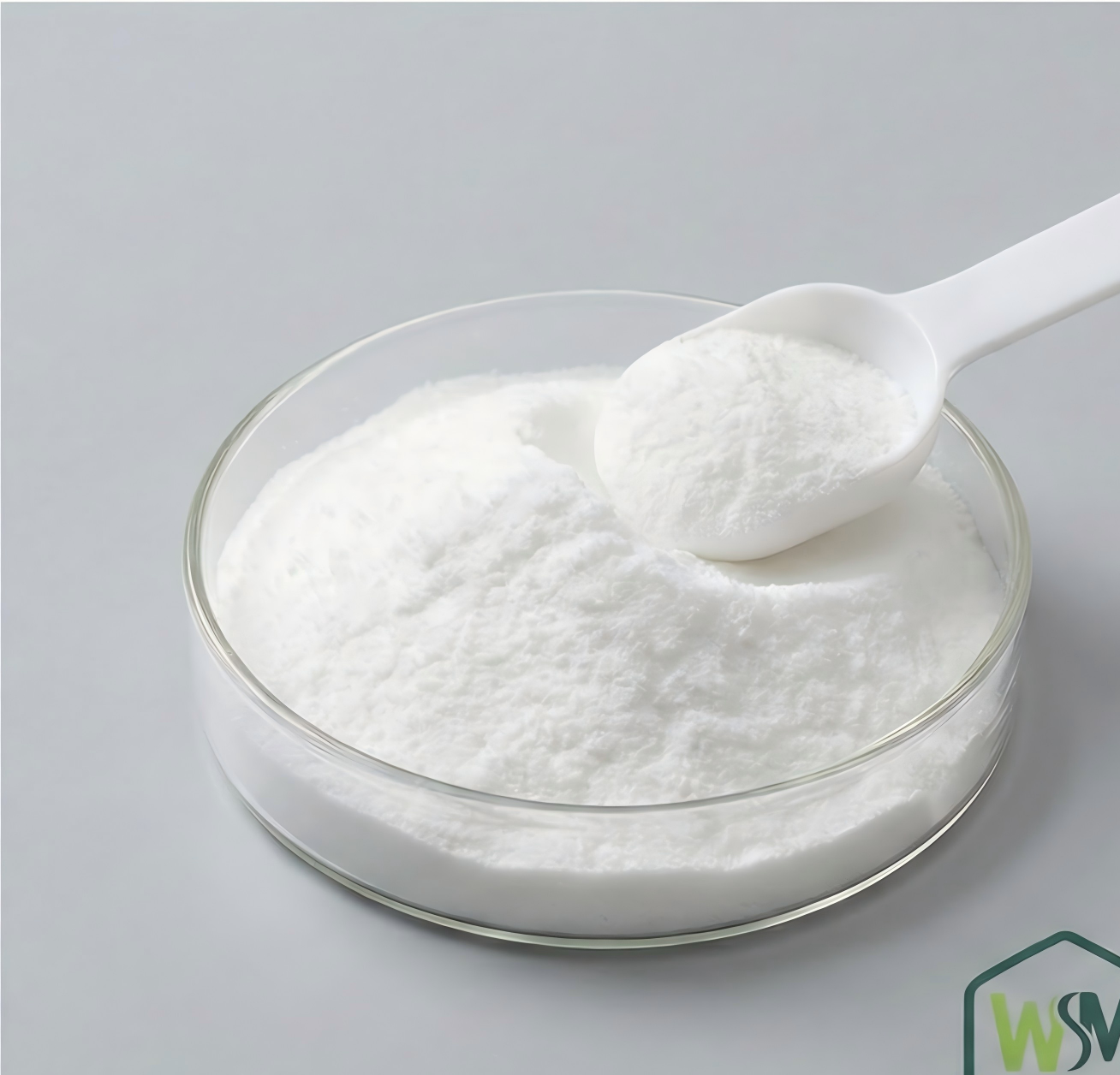
- Appearance: White to off-white crystalline powder or granules
- Grade: Food Grade and Industrial Grade
- Assay: 98.0–100.0%
Product Overview
Sodium gluconate is the sodium salt of gluconic acid, produced by the fermentation of glucose. WIS Biotech (Shandong Wisdomesty Biotech Co., Ltd.) manufactures food-grade and industrial-grade sodium gluconate at our facility in Shandong, China, with an assay of 98.0–100.0%. It is a white to off-white crystalline powder, highly soluble in water, valued for its excellent chelating power, biodegradability, and non-corrosive, non-toxic profile.
Raw-material cost follows the gluconic acid market, so large-volume quotes are reviewed regularly.
Sodium Gluconate Supplier and Manufacturer: Direct Procurement
Direct answer: WIS Biotech is a China-based sodium gluconate manufacturer and supplier for food-grade and industrial-grade orders. Procurement teams can source material against an agreed specification and request a recent batch COA, SDS, and applicable certification documents before placing a purchase order.
- Confirm the grade and end use: state whether the material is for E576 food formulation or for concrete, water-treatment, cleaning, or other industrial use.
- Lock the critical specification: confirm the 98.0–100.0% assay and the required limits for reducing substances, chloride, sulphate, heavy metals, and pH in the contract and batch COA.
- Define the commercial requirement: include packaging, trial and annual volume, destination port, delivery schedule, and target Incoterm in the RFQ.
- Check the document pack: request the current product specification, COA, SDS, applicable WIS food-safety documents, and any Definly-held Halal or Kosher documents required by your market.
For application-specific guidance, see the sodium gluconate concrete retarder guide. International buyers can also use the China gluconate sourcing checklist before sending a quotation request.
Technical Specifications
- Assay (dried basis): 98.0–100.0%
- Loss on drying: ≤ 0.5%
- Reducing substances: ≤ 0.5%
- Heavy metals (as Pb): ≤ 10 mg/kg
- Lead: ≤ 1 mg/kg
- Arsenic: ≤ 1 mg/kg
- Chloride: ≤ 0.07%
- Sulphate: ≤ 0.05%
- pH (10% solution): 6.5–7.5
Applications
Food Grade (E576): Used as an acidity regulator, sequestrant, and chelating agent in food and beverages, and to mask the bitter aftertaste of high-intensity sweeteners and mineral salts.
Industrial Grade: A high-efficiency water reducer and set retarder for concrete, cement, and mortar; a chelating agent in textile printing, metal surface treatment, and water treatment; a steel-surface and glass-bottle cleaning aid; and a corrosion inhibitor for steel and copper systems.
Packaging & Supply
- Packaging: 25 kg woven/kraft bag; 1,000 kg jumbo bag
- MOQ: 500 kg (samples available on request)
- Supply ability: 5,000 MT/month
- Loading port: FOB Qingdao
- Origin: Shandong, China
Quality & Compliance
WIS Biotech holds FAMI-QS, FSSC 22000, and BRCGS certifications. ISO, Halal (IFANCA), and Kosher (OU) certificates are held by Definly Chemicals. A batch COA is provided per shipment; buyers should verify the holder, named site, product/grade scope, validity, and destination-market acceptance against the current controlled documents.
EU buyers can review E576 documentation and shipping details on our gluconate supplier page for Europe.
Frequently Asked Questions
What is the difference between food-grade and industrial-grade sodium gluconate?
Both share the same CAS number (527-07-1) and base chemistry, but food grade meets food-additive purity and documentation requirements (E576), while industrial grade is specified for concrete admixtures, cleaning, and water treatment. Confirm the grade and certificate of analysis your application requires when ordering.
What is the standard assay of your sodium gluconate?
Our sodium gluconate is supplied at 98.0–100.0% assay, white to off-white crystalline powder or granules, with a certificate of analysis provided per shipment.
What is the minimum order quantity?
The minimum order quantity is 500 kg, with samples available on request. Supply ability is up to 5,000 MT per month, FOB Qingdao.
Which entity holds the Halal and Kosher certificates?
Halal and Kosher certificates are held by Definly Chemicals, not WIS Biotech. Controlled copies may be requested where relevant. Buyers should confirm the certificate holder, named site, product/grade scope, validity, and destination-market acceptance before approval.
Request a Quote
Request a sodium gluconate quote with your target volume, grade (food or industrial), packaging requirement, destination port, and Incoterm. Samples, the current specification, SDS, and a recent batch COA are available for qualification.
Industrial Sodium Gluconate & PCE Supply Chain
For industrial-grade sodium gluconate dosed with PCE superplasticizer for concrete, and the wider construction-chemical supply chain, see our group export company Definly Chemicals. Learn more about the WIS Biotech and Definly Chemicals group structure.
Related Products
Customers sourcing sodium gluconate from WIS Biotech also frequently request Gluconic Acid and Glucono Delta-Lactone (GDL) from the same glucose-derived product family, as well as calcium gluconate for food fortification.